
-
March 2024
- 5 Mar 2024 Photography Exercises
-
July 2023
- 4 July 2023 EX179 Project planning
-
June 2023
- 27 June 2023 EX178 Multiples, diptychs and more
- 13 June 2023 EX177 Blending Photographs
- 6 June 2023 EX176 Multiple Exposures with Blend Modes
-
May 2023
- 30 May 2023 EX175 Make a poster or book cover using two fonts
- 17 May 2023 EX174 Adding words to diptychs
- 9 May 2023 EX173 Laying out diptychs
-
April 2023
- 18 Apr 2023 EX172 Auditioning
- 11 Apr 2023 EX171 New split tone combinations
-
March 2023
- 29 Mar 2023 EX 169 portrait or landscape orientation
- 14 Mar 2023 EX168 High Key | Low Key
- 7 Mar 2023 EX167 Selectively adding highlights and whites to a low key image
-
February 2023
- 28 Feb 2023 EX166 Are blacks needed in high key artworks
- 21 Feb 2023 EX165 Intentional Over Exposure
-
December 2022
- 15 Dec 2022 EX164 The Diptych Project
- 10 Dec 2022 EX163 Monochrome processing part 2
-
November 2022
- 29 Nov 2022 EX162 Monochrome Processing
-
October 2022
- 11 Oct 2022 EX161 Contrasts
-
September 2022
- 27 Sept 2022 EX160 a reflection mini project
- 20 Sept 2022 EX159 Reflections
- 6 Sept 2022 EX157 Ish
-
August 2022
- 30 Aug 2022 EX156 The Dot
- 9 Aug 2022 EX155 A project inspired by our own words
- 2 Aug 2022 EX154 Observation Skill Development
-
July 2022
- 12 July 2022 EX153 Exploring more in the everyday
-
June 2022
- 29 June 2022 EX152 To see things new
- 7 June 2022 EX149, EX150 & EX151 Collage
-
May 2022
- 31 May 2022 EX148 Joiners with real prints
- 24 May 2022 EX147 Joiners - unrestricted
- 17 May 2022 EX146 Joiners
- 11 May 2022 EX145 Photographing to a beat
-
April 2022
- 12 Apr 2022 EX144 I would like to explore...
- 6 Apr 2022 EX143 I speak for...
-
March 2022
- 29 Mar 2022 EX142 David Hockney colours
- 22 Mar 2022 EX141 Teach a processing technique
- 8 Mar 2022 EX140 Simulating photographic techniques
- 1 Mar 2022 EX139 Including artworks in your photography
-
February 2022
- 22 Feb 2022 EX138 Art is a Mirror
- 15 Feb 2022 EX137 Mirrors and Windows
- 2 Feb 2022 EX136 including the self
-
December 2021
- 9 Dec 2021 EX135 Themes and Variations
- 1 Dec 2021 EX134 From one comes many
-
November 2021
- 23 Nov 2021 EX133 Processing variations
- 16 Nov 2021 EX 132 Inspired by words
- 9 Nov 2021 EX131 processing variations
- 4 Nov 2021 EX130 Localised adjustments
-
October 2021
- 26 Oct 2021 EX129 Imogen Cunningham inspired
- 19 Oct 2021 EX128 How close can you go?
- 12 Oct 2021 EX127 Weston inspired
- 5 Oct 2021 EX126 Questions and Answers
-
September 2021
- 14 Sept 2021 EX125 Floral Project
- 8 Sept 2021 EX124 Photographs and Captions
-
August 2021
- 17 Aug 2021 EX122 Surrealism - Bringing unrelated objects together
- 11 Aug 2021 EX121 DADA inspired randomness
- 3 Aug 2021 EX120 Contrast
-
July 2021
- 27 July 2021 EX119 Dreamscapes
- 20 July 2021 EX118 Contemplate Space
- 6 July 2021 EX117 Contemplate Colour
-
June 2021
- 29 June 2021 EX116 Three types of photograph
- 15 June 2021 EX115 Your artistic voice
- 8 June 2021 EX114 Letting go of perfection
-
May 2021
- 18 May 2021 EX113 Abstracting Colour - Intentional Colour Shifts and False Colours
- 11 May 2021 EX112 False Colour
-
April 2021
- 27 Apr 2021 EX111 Fishing
- 20 Apr 2021 EX110 Limiting beliefs
- 13 Apr 2021 EX109 Following your intuition
-
March 2021
- 30 Mar 2021 EX108 Soft Light Hard Light - Going further
- 23 Mar 2021 EX107 Soft Light Hard Light
- 16 Mar 2021 EX106 Creative Constraints
- 9 Mar 2021 EX105 Celebrating our influences
- 2 Mar 2021 EX104 Influential Artists
-
February 2021
- 16 Feb 2021 EX103 Multiple Exposures
- 9 Feb 2021 EX102 Seeing Differently
- 3 Feb 2021 EX 101 What does photography teach you?
-
December 2020
- 25 Dec 2020 EX100 Five Diptych's if you dare
- 18 Dec 2020 EX99 Moving the point of focus
- 11 Dec 2020 EX98 Vantage Points
- 4 Dec 2020 EX97 Patterns
-
November 2020
- 27 Nov 2020 EX96 The Edges are always important
- 20 Nov 2020 EX95 Coversations
- 13 Nov 2020 EX94 Processing for congruence
- 6 Nov 2020 EX93 Focus on where you Focus
-
October 2020
- 30 Oct 2020 EX92 Balance
- 25 Oct 2020 EX91 Time as a compositional element
- 16 Oct 2020 EX90 Symmetry
- 9 Oct 2020 EX89 Closure with circles and ovals
- 2 Oct 2020 EX88 Continuation
-
September 2020
- 27 Sept 2020 EX87 Emotional Colours
- 18 Sept 2020 EX86 Just Two Colours
- 11 Sept 2020 EX85 The Three Colour Rule
- 4 Sept 2020 EX84 Identifying colour palettes
-
August 2020
- 28 Aug 2020 EX83 Repetitions
- 21 Aug 2020 EX 80 Whites and Highlights
- 14 Aug 2020 EX79 Blocking in the Shadows
- 7 Aug 2020 EX78 Seeing and composing the highlights
-
July 2020
- 31 July 2020 EX77 Improving your backgrounds
- 24 July 2020 EX76 Minimalism
- 17 July 2020 EX75 Proximity and Similarity
- 10 July 2020 EX74 Divine Proportions
- 3 July 2020 EX73 The Perfect Aspect Ratio
-
June 2020
- 27 June 2020 EX72 Composing Negative Space
- 19 June 2020 EX72 Atomospheric Perspective
- 13 June 2020 EX71 Describing form with tone
- 6 June 2020 EX70 Centre of Interest and the Greatest Tonal Contrast Focal Point
-
May 2020
- 30 May 2020 EX69 Artists Statment
- 23 May 2020 EX68 Centring
- 16 May 2020 EX67 Emotional Halves
- 9 May 2020 EX66 Talking about the Elements of Composition
- 2 May 2020 EX65 Diptych
-
April 2020
- 25 Apr 2020 EX64 Wabi Sabi
- 18 Apr 2020 EX64 Painterly
- 11 Apr 2020 EX63 Leading Lines
- 4 Apr 2020 EX62 Having your work processed by another
-
March 2020
- 28 Mar 2020 EX61 Recreate the art of another
- 22 Mar 2020 EX60 Just start
- 15 Mar 2020 EX59 Dynamic Range
- 8 Mar 2020 EX58 Diagonals
-
February 2020
- 29 Feb 2020 EX57 Left and right bias
- 23 Feb 2020 EX56 Reflections
- 16 Feb 2020 EX55 Soft Light - Hard Light
- 9 Feb 2020 EX54 Crop someone else's photographs...
- 2 Feb 2020 EX53 Colour Balance
-
December 2019
- 28 Dec 2019 EX52 A Project of Nine in January 2020
- 22 Dec 2019 EX51 Get it right in camera
- 15 Dec 2019 EX50 Green and Red
- 7 Dec 2019 EX49 Three Up
- 1 Dec 2019 EX48 Panning
-
November 2019
- 24 Nov 2019 EX47 Multiple Exposures
- 17 Nov 2019 EX46 Blacker than black
- 10 Nov 2019 EX45 Paper
- 3 Nov 2019 EX44 The power of the center
-
October 2019
- 27 Oct 2019 EX43 Blue and Red
- 20 Oct 2019 EX42 Think like a film photographer.
- 13 Oct 2019 EX41 Shoot from the hip
- 6 Oct 2019 EX40 Yellow
-
September 2019
- 29 Sept 2019 EX39 Circles
- 23 Sept 2019 Titles and Captions
- 15 Sept 2019 Depth Captivates
- 8 Sept 2019 Breaking the rules
- 1 Sept 2019 Warm or Cool
-
August 2019
- 25 Aug 2019 Time to mature
- 18 Aug 2019 Low Key
- 11 Aug 2019 High Key
- 4 Aug 2019 Ten Seconds as a restriction
-
July 2019
- 30 July 2019 Self Portrait
- 22 July 2019 Chiaroscuro
- 14 July 2019 Emotional Colours
- 7 July 2019 Calming horizontals
-
June 2019
- 30 June 2019 Seeking Critiques
- 24 June 2019 Manual
- 17 June 2019 Triangles
- 9 June 2019 Talking about art
- 2 June 2019 Blue and Yellow
-
May 2019
- 26 May 2019 Limit your focal length
- 19 May 2019 Odd numbers vs even numbers
- 12 May 2019 Out of Focus
- 5 May 2019 Analogous Colours
-
April 2019
- 28 Apr 2019 Defocus the backgrounds
- 22 Apr 2019 A full range of tones
- 14 Apr 2019 What is your sharpest lens and aperture combination?
- 7 Apr 2019 The Point of Power
-
March 2019
- 31 Mar 2019 What do you love?
- 24 Mar 2019 Dominant Mass
- 17 Mar 2019 Blue
- 10 Mar 2019 Four different quadrants or four different corners
- 3 Mar 2019 Analyse your favourite photographs
-
February 2019
- 24 Feb 2019 Depth of Field
- 17 Feb 2019 Two Up
- 10 Feb 2019 How still can you hand hold your camera?
- 3 Feb 2019 Exploring the tipping point
-
January 2019
- 27 Jan 2019 Photographs are everywhere
- 20 Jan 2019 Dutch Angle
- 13 Jan 2019 In the style of....
- 3 Jan 2019 Camera Cuddle
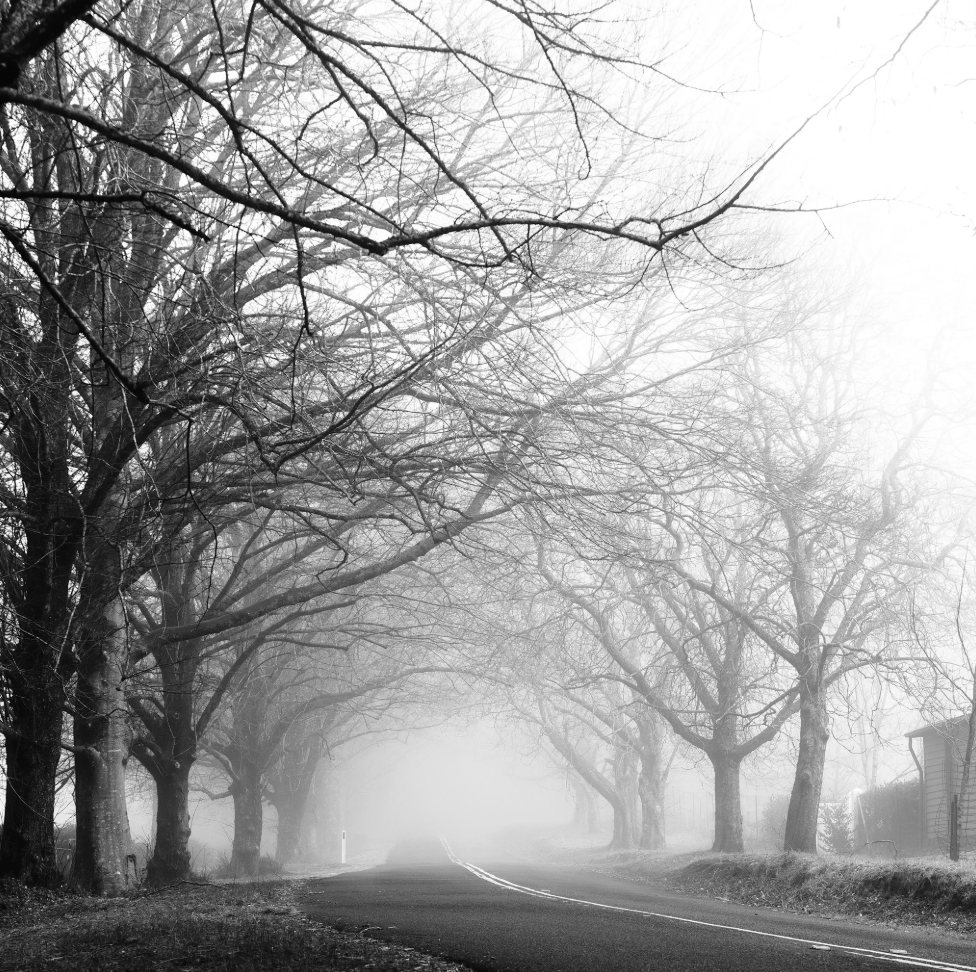
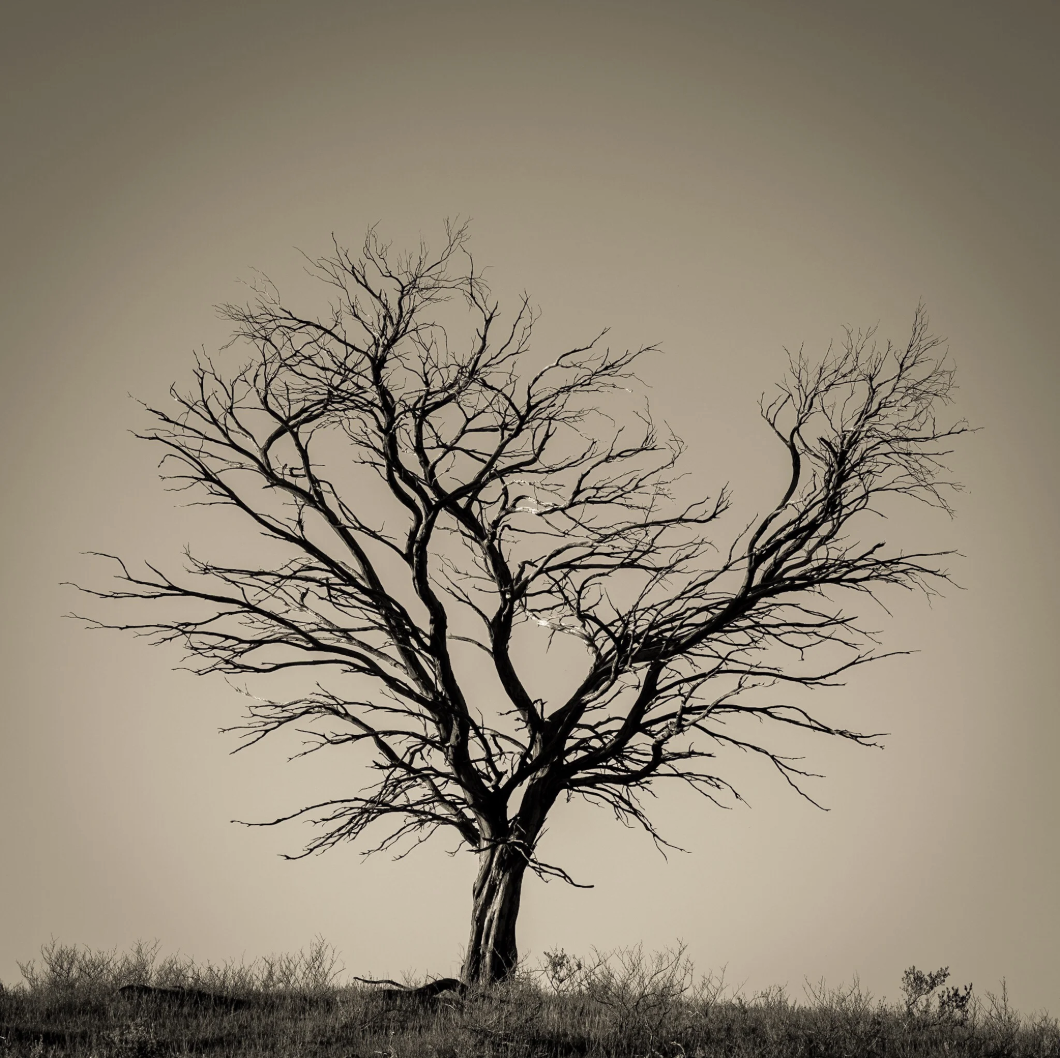
Time to mature
How long do you wait before you assess your work? Do you give your work adequate time to mature? I like to give my work a year or two for it to mature. It’s about letting go of expectations and preconceived ideas. This exercise will revisit old work that you discarded close to the time of capture.


High Key
High Key Photographs are predominantly white and are created with light tones. They can either be monochromatic or full of subtle colour. Usually, they don’t have a rich black in them, if they do, they are really tone drop outs. For this exercise we are going to explore intentionally over exposing our photographs to create high key images.

Ten Seconds as a restriction
This exercise is around restricting yourself with a ten second exposure. Personally, I will be exploring some colour abstracts with this restriction at the beach. But there are so many other things you can do with a set exposure length. Are restrictions good for creativity? I think so.

Self Portrait
For this exercise, we explore self portraiture. What does a self portrait tell you about the photographer?
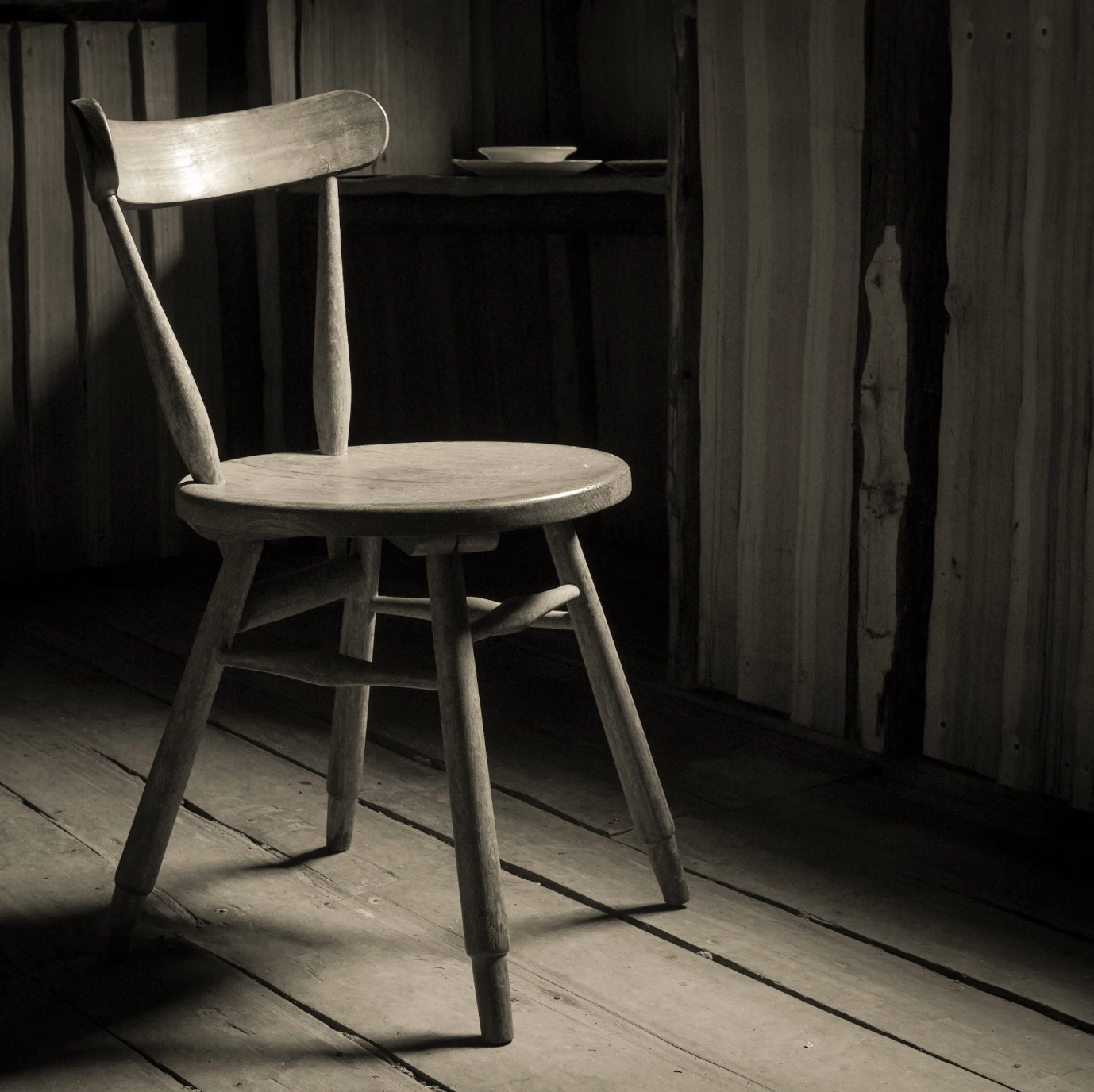
Chiaroscuro
In this exercise, we explore chiaroscuro, using strong directional lighting and high contrasts to show three dimensional form in our subjects. Follow the link to read more about this technique and it’s implementation into photography.
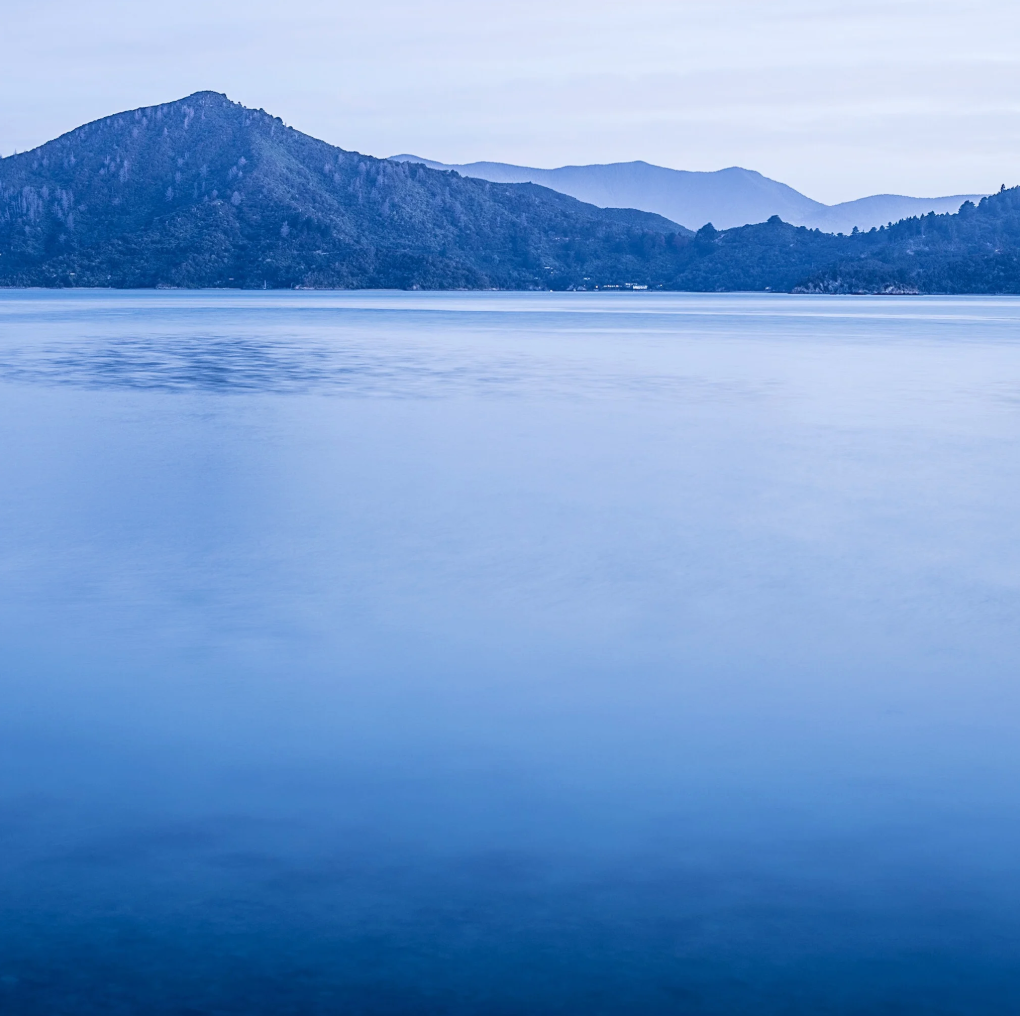
Emotional Colours
In this exercise, we will explore the different emotional responses to colour. Is it a universal response or a highly personal one? Movie makers think it’s universal as they tint various scenes to increase particular feelings.

Calming horizontals
Horizontal lines calm viewers according to the theory. Let’s see what they do in your compositions?

Seeking Critiques
In this exercise, we will explore the gentle art of critique, and consider our mentors.
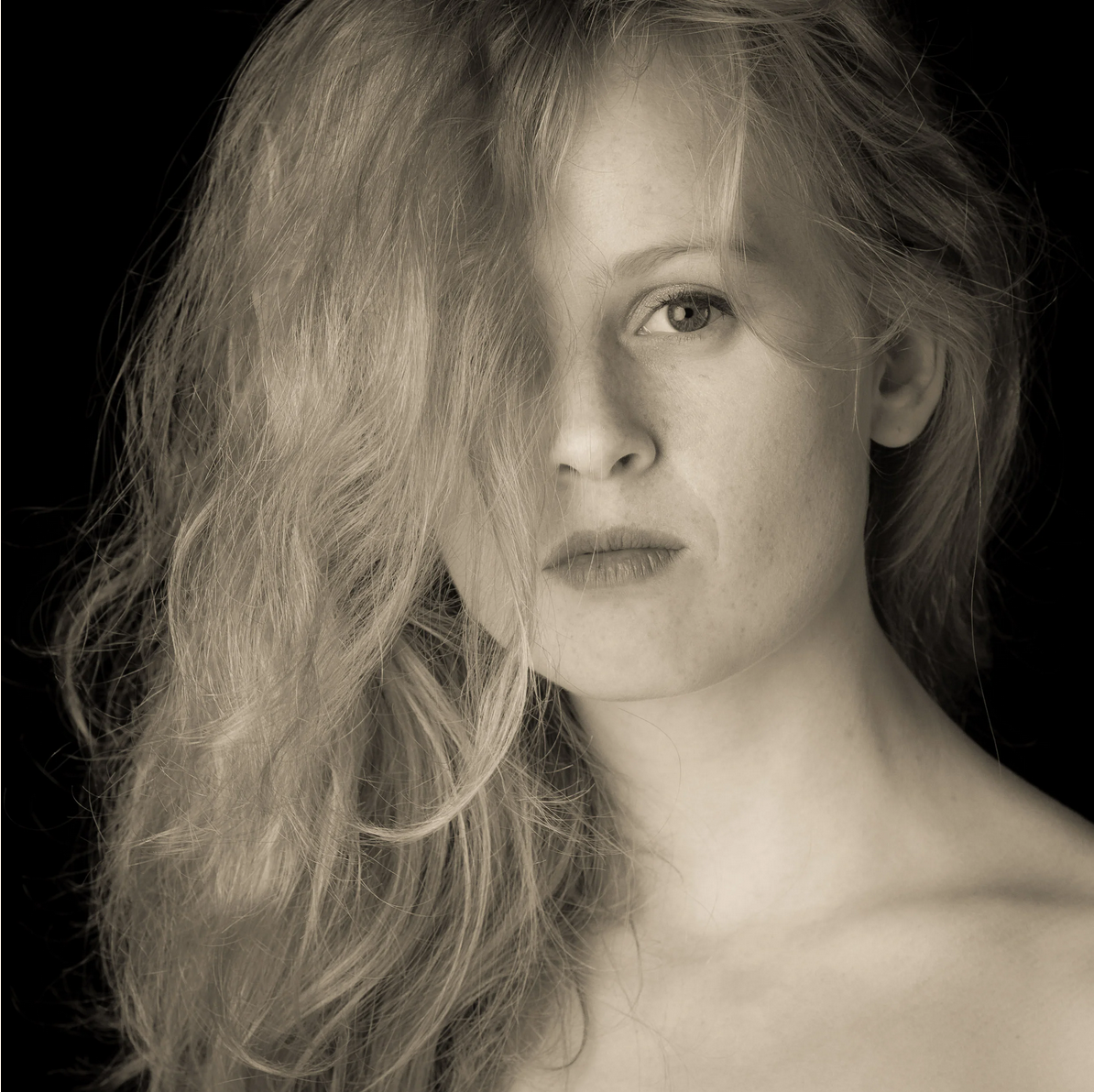


Talking about art
Learning to talk about your work and that of others is a key skill that needs practice. It can be learnt and developed. Identifying the underlying emotions, compositional foundations and intellectual stimulation of an artwork helps you produce better work.
For this exercise, we will practice on our own photographs and the art of others.

Blue and Yellow
Blue and yellow is a unique colour combination in our visual repertoire. This is because we effectively have a blue / yellow sensor in our mind. We can’t see a blue-yellow or a yellow-blue. In this exercise, we will explore this unique colour combination.

Limit your focal length
Limit to one focal length. Sounds easy? Staying with it for a full week or more may be the challenge.

Odd numbers vs even numbers
Have you heard the rule of odds? A photograph with an odd number of objects is apparently more appealing than a photograph with an even number. In this exercise, we will test this theory and see where and when it can be broken.

Out of Focus
We spend so much time getting our photographs sharp. For this exercise, we are going to explore intentionally blurring our photographs.


Defocus the backgrounds
Defocusing the background is a simple way to create subject isolation. Do you know how to induce this easily?

A full range of tones
We are told a photograph needs a full range of tones, every one between black and white. This gives our photographs true depth and feeling. For this exercise we are going to explore the effects of the tonal range of the photograph.