Micro four thirds love
I wrote this today in the comments section of a blog post. I thought you might like to read it too.
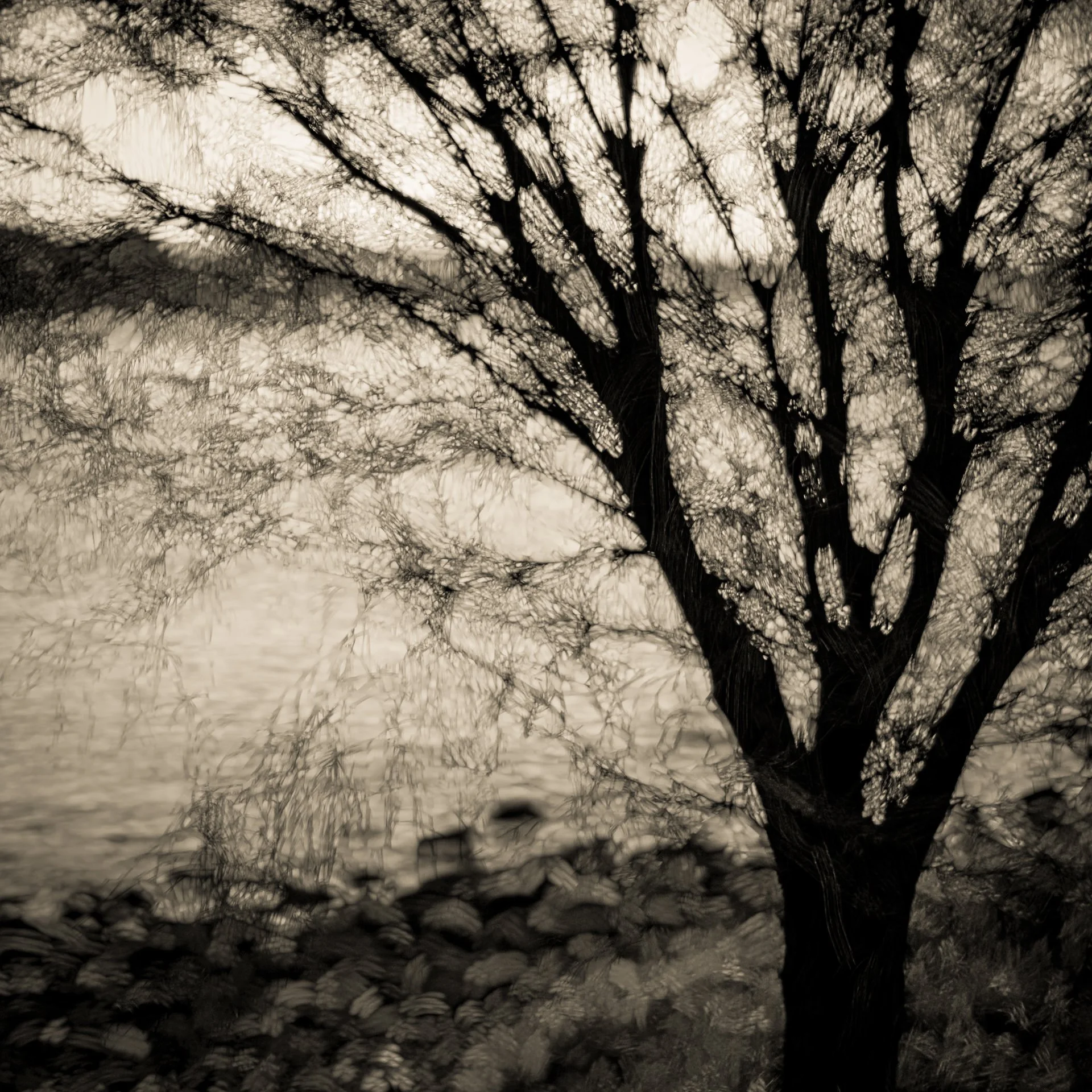
I have an absolutely beautiful print from my ten megapixel Olympus EPL-1. It is so stunning. It’s huge. It’s over a meter and a half on the long edge. The one thing I have learnt is comparisons are dangerous. Just judge the artworks for what they are.
So this thing about print size is so incredibly subjective. Let alone the modern tools to enlarge and remove noise. Which we didn’t even have back then.
It’s fascinating that so many people whine about our beloved small sensors, yet they don’t print their work. Or probably don’t even use these cameras. I often wonder if they have been paid by companies to go around and stir up things, like the proliferation of bots on climate change posts at the moment, intentionally spreading misinformation. You can pick them by their lack of posts, friends and followers though.
I used to put out prints on the table during my camera club talks from all of the cameras I use. All printed to A2. One day I sold the noisiest, softest one, made with my iPhone. It’s the content that matters. Not the tools. With the rest of the photos the vast majority of people couldn’t see the differences between the cameras or lenses, a select few could, if you knew what to look for. But did it really change the impression of the artwork. No not in the slightest.
I don’t understand why they don’t push the advantages of depth of field in smaller sensor cameras. I can take images of flat planes, like sandy deserts. without resorting to tilt lenses so easily on the smaller sensor as I only need f5.6 on my 25mm lens to get a huge depth of field, all stunningly sharp.
Getting shallower depth of field has never been one of my problems either. Yet it’s a look I love to use and play with regularly.
And lastly, they are so much easier to use than bigger sensor cameras. Anyone who’s spent time with large format knows what I am talking about, you change the film size and the errors increase. Having spent so much time trying to use bigger sensor cameras, I know that my hit rate for sharp focus goes down considerably.
Does anyone remember how hard it was to shoot transparency film, with its slow iso and five stop dynamic range. What we can do today with these cameras is just so incredible. I feel so lucky to have such an incredible tool.
All this comparison is really just pushing needless consumerism. Staying up to date with the latest and best cameras. That digital camera from fifteen years ago was actually sufficient.
Anyway that’s just my two cents. And yes of course I am biased. Every article comes with bias, whether it’s stated or not.
I love my OM1, I wish it had some features from the other manufacturers too, like blend modes and more exposures in multiple exposure modes. The cameras and lens have their shortcomings too.
I love its computational capabilities too. It saddens me to remember that Sony had to buy half of Olympus to get the image stabilisation systems from them, only to discard their shares once the had pilfered the technology. Something that still irks me about Sony today. Yet I am sure they all reverse engineer everything anyway from each other.
You’ll have to pry my voitlander 25 mm f0.95 lens out of my dead hands. I love that lens so much. With all of its flaws too. I’ll probably have a newer camera by then and I can only hope they keep getting made. I’d really love a small rangefinder style one though. Perhaps one day one will return with a modern sensor. One can hope. Just please make it weatherproof.
Am rambling today and practicing my writing.
Small sensor cameras are amazing. Give them a go if you haven’t and enjoy the benefits.
The photo bellow is using the computational capabilities that only an OM Systems (or Olympus) camera can do… it was designed to take photographs of star trails at night.
It’s called live composite mode. It stacks successive photos and only adds the highlights. Amazing.